DTF vs Screen Printing vs Embroidery: Which Is Best for Your Order?
You have a design and a stack of blank shirts, hats or hoodies. Now you have to decide how to put the design on them. The three most popular decoration methods, DTF printing, screen printing and embroidery, all work well, but they suit very different orders.
Here's how to choose based on quantity, design, fabric and budget.
What is DTF printing?
DTF (direct-to-film) prints your design onto a special film, covers it with an adhesive powder, and cures it. The finished transfer is then heat-pressed onto the garment. You can press it yourself, or we can supply ready-to-press DTF transfers.
Best for: full-color designs, small to medium runs, many different designs, and mixed fabrics.
Good: any number of colors, including gradients and photos. There are no screens to set up, so a single shirt costs about the same per piece as fifty. It sticks to cotton, polyester, blends, denim and canvas, and you can put many designs on one DTF gang sheet to bring the price down.
Less good: you can feel a thin, slightly smooth layer on the fabric. Current films are soft, but it's not invisible the way screen-printed ink on cotton can be.
What is screen printing?
Screen printing pushes ink through a mesh screen, with one screen for each color. It's the traditional method for big apparel orders.
Best for: large runs (often 50–100+ pieces) of simple designs with few colors.
Good: the cheapest option per piece once you're printing hundreds, and the ink lasts.
Less good: every color needs its own screen, and you pay to set each one up. Gradients and photos are harder to do well. For small orders or lots of different designs, the setup cost eats the savings.
What is embroidery?
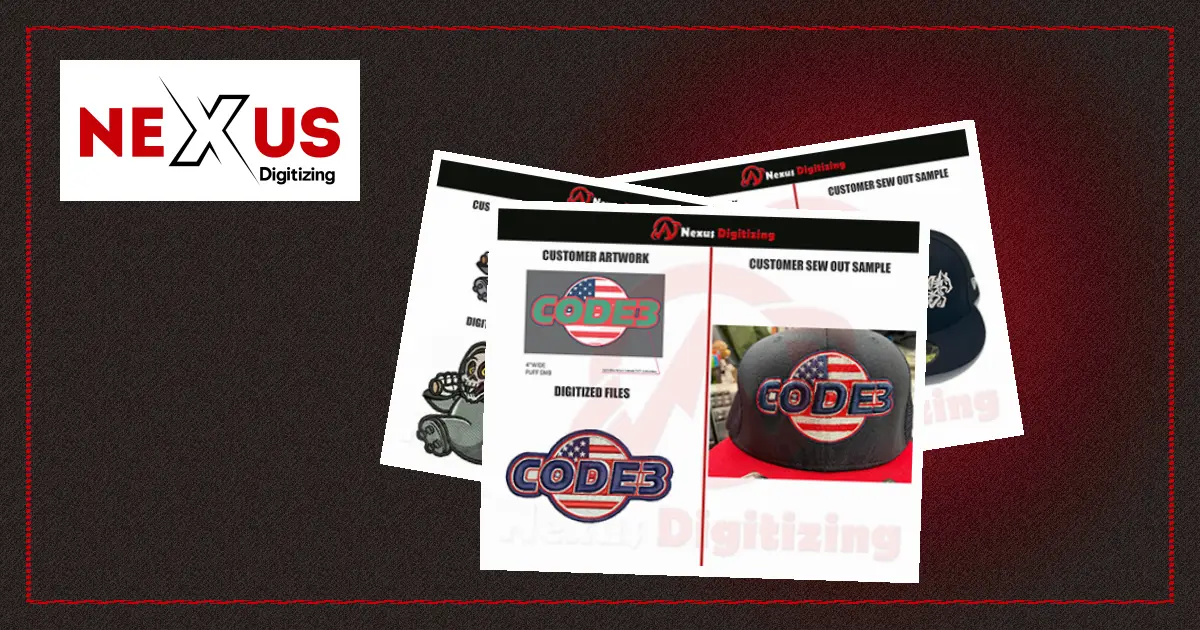
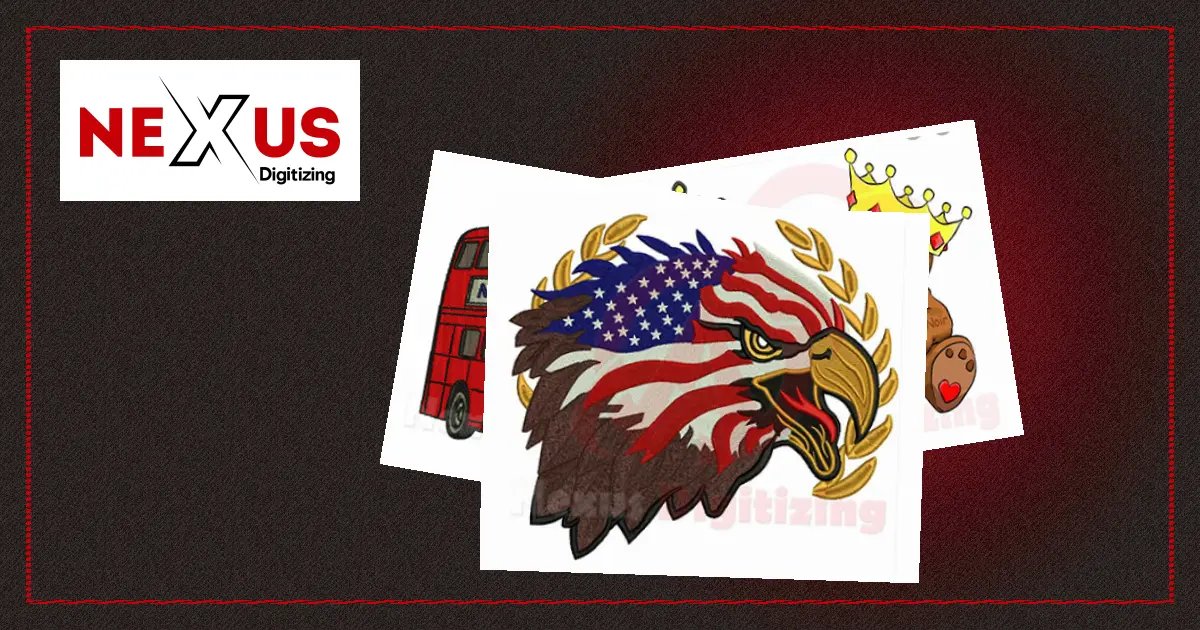
Embroidery stitches your design into the fabric with thread, using a machine file prepared through embroidery digitizing.
Best for: polos, caps, jackets, uniforms and workwear.
Good: it has texture you can feel, it usually outlasts the garment, and it's the standard choice for caps and other structured items.
Less good: tiny details, gradients and photos don't translate well into thread. Very large designs mean high stitch counts, which means more cost.
Side-by-side comparison
| DTF | Screen printing | Embroidery | |
|---|---|---|---|
| Ideal order size | 1 to a few hundred | 50+ | Any |
| Colors | Unlimited | Each adds cost | Thread colors (usually up to 12–15) |
| Photos / gradients | Excellent | Difficult | Limited |
| Setup cost | None / low | Per screen | One-time digitizing |
| Feel | Thin, flexible | Soft to medium | Raised, textured |
| Fabrics | Almost all | Mostly cotton/blends | Almost all |
| Durability | Very good | Excellent | Excellent |
| Premium look | Good | Good | Best |
Which should you choose?
Choose DTF if your design is colorful or detailed, you need fewer than about 100 pieces, you have several designs, or you're decorating different fabrics in one order. It's also the go-to for print-on-demand and small apparel brands.
Choose screen printing if you're ordering hundreds of identical shirts with a simple one- to three-color design.
Choose embroidery if you want a premium, long-lasting, professional look, especially on caps, polos, jackets and uniforms.
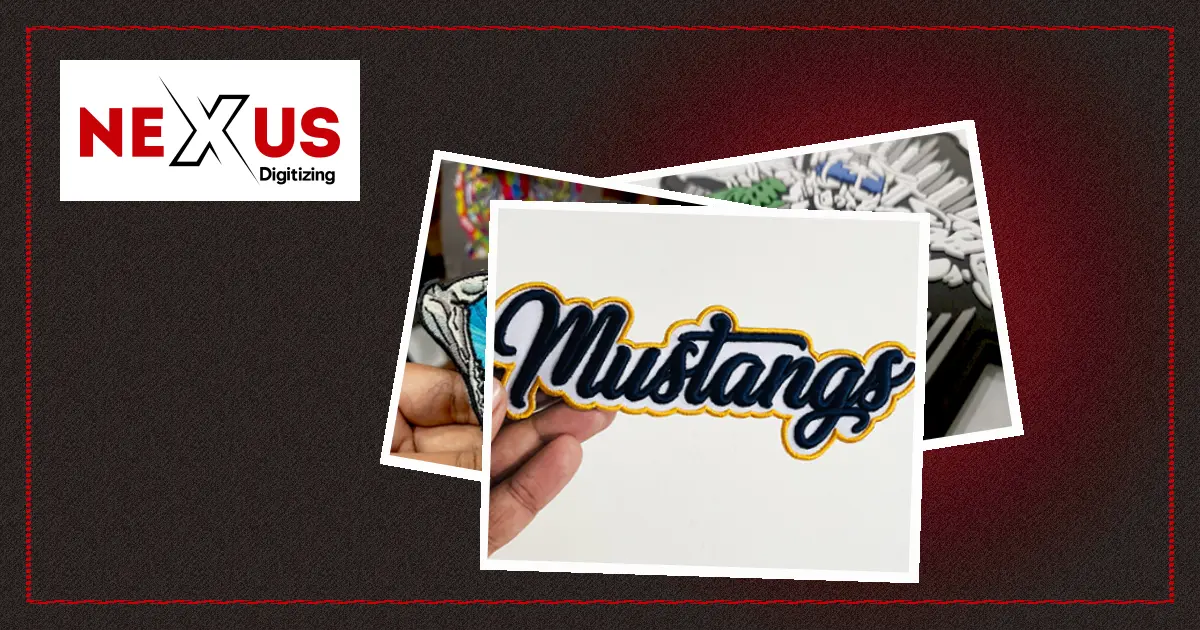
Can't decide? Mix them. Many brands embroider a small chest logo and add a large full-color DTF print on the back. Or use custom patches for the embroidered look on items that are hard to stitch.
Make your art print-ready
Whatever method you choose, clean artwork makes the biggest difference. For DTF, send a high-resolution PNG with a transparent background (300 DPI at print size). For screen printing, you'll need color-separated vector art. For embroidery, you'll need a properly digitized file.
If your artwork isn't ready, our vector for DTF/DTG service prepares it for you.
Get help choosing
Tell us what you're decorating, how many pieces, and send your design. We'll recommend the most cost-effective method and quote it. Request a quote → or message us on WhatsApp.
Frequently asked questions
Is DTF better than screen printing?
For small to medium runs and full-color designs, DTF is usually more cost-effective because there are no screens to set up. For large runs of simple one- or two-color designs, screen printing often has the lowest cost per piece.
How long do DTF transfers last?
When pressed correctly and washed inside out in cool water, quality DTF transfers hold up through many washes without cracking or peeling.
Can DTF be used on polyester and cotton blends?
Yes. DTF works on cotton, polyester, blends, and many other fabrics, which is one of its biggest advantages.
Which method looks most premium?
Embroidery is generally seen as the most premium, especially on polos, caps and jackets, because of its texture and durability.